Roofing in Newark, NJ
Newark's roofing story starts with its building stock. Early 20th century brick rowhouses with flat roofs dominate the Central Ward, North Ward, and South Ward.
Call (973) 786-9795Roofing in Newark
When comparing providers across Newark’s Central Ward and North Ward, ask for examples involving a roof shape and building type like yours.
For an occupied multi-family property in the East Ward or South Ward, request reasonable working hours and debris containment.
Ask how emergency leaks affecting tenants receive priority.
Many were built with parapet walls that hide the membrane from the street. Victorian and Edwardian multi-family brownstones line parts of the West Ward.
These steep roofs often carry slate or wood shake. Post-war apartment buildings near Branch Brook Park and the Ironbound tend to have low-slope assemblies.
Each roofline fails differently. Flat roofs pond water; pitched roofs shed it, if the flashing holds. Here, weather does the damage.
Heavy spring and fall precipitation finds every failed seal. Nor'easters drive wind and ice against the eave, soffit, and fascia.
Summer humidity accelerates material breakdown across the whole rooftop. Hurricane Sandy in 2012 proved how much wind the city's roofs can face.
Typical failure modes in Newark:
- Ponding on flat roofs where drains or scuppers clog
- Ice dam formation at the eave on older pitched roofs
- Split or missing shingle tabs after nor'easter winds
- Cracked chimney flashing and failed pipe boots on brick rowhouses
- Deteriorated tar and modified bitumen at parapet edges
Elevation here runs 10 to 146 feet above sea level, so wind exposure varies block to block.
Roofing contractors in the Ironbound often find older built-up roof layers under newer coatings. That stack matters at replacement time.
What Roofing Work in Newark Includes
A proper roof inspection starts on the ground and ends in the attic.
The roofer checks the roofline for sag, the gutters and downspouts for granule buildup, and the decking through the roof deck.
On flat-roof rowhouses, the inspection covers the parapet, coping, scupper, and every penetration. A moisture scan or core sample may be needed to count existing layers.
A roof estimate should itemize scope, not just a number. Ask what gets removed and what gets installed.
The material scope depends on the roof type:
- Flat roofs: membrane options such as TPO, EPDM, or PVC membrane, or a built-up roof with modified bitumen
- Pitched roofs: asphalt shingle, architectural shingle, or three-tab shingle over synthetic underlayment
- Historic pitched roofs: slate, clay tile, or cedar shake, often repaired piece by piece
- Low-slope sections: torch-applied modified bitumen with a granulated cap sheet
Tear-off means prying old layers free and loading debris into a dumpster. Crews work from scaffold or ladder depending on height and pitch.
Installation follows a sequence. Ice-and-water shield goes at the eave. Then roofing felt or synthetic underlayment, then drip edge, then the field material.
New flashing goes in at every wall and penetration:
- Step flashing and counter-flashing at sidewalls
- Chimney flashing rebuilt with new mastic and sealant
- Pipe flashing and vent boots replaced, not reused
- Valley metal or woven courses, depending on roof design
Ventilation gets checked too. A ridge vent or soffit vent that's blocked causes attic heat and moisture problems.
Fasteners matter. Nail placement and depth on asphalt shingles decide wind performance.
Cleanup means magnet sweeps for nails, debris removal, and a final walk of gutter and downspout runs. A written roof inspection report should follow.
Quality & Materials Standards
Material choice should match the roof, not a catalog. Slate or clay tile belongs on a brownstone with the structural capacity for it.
Asphalt shingle suits most pitched residential roofs.
On flat roofs, membrane seams and terminations decide the outcome. A built-up roof with proper ply and flood coat performs only if the substrate is sound.
New Jersey building code governs the basics: fastener schedules, underlayment requirements, ice-and-water shield at the eave, and ventilation ratios. Local permits are required for most reroofs.
Roof deck condition is the honest wildcard. Plywood or OSB sheathing that's soft, delaminated, or water-stained must be replaced, not covered.
Rotted rafters or a compromised ridge beam change the scope.
Ice dam protection is not optional in this climate. The ice-and-water shield must run up from the eave past the interior wall line.
Flashing details decide leak risk more than shingle brand:
- Counter-flashing set into masonry reglets, not surface-caulked
- Step flashing woven with each course at sidewalls
- Apron flashing at chimneys and skylights
- Sealant used as a supplement, never as the primary barrier
Insurance vocabulary matters after storm damage. A homeowner should understand the difference between actual cash value and replacement cost.
Document damage with photos before any temporary repair.
Repairs versus replacement is a judgment call. A roof past its service life with widespread granule loss usually warrants replacement.
Isolated flashing failures often justify targeted repair.
Seasonal and Storm Exposure in Newark
Newark's roof calendar is driven by water, not cold.
Spring and fall deliver heavy precipitation across Essex County, and flat rooftops in the Ironbound and Central Ward pond water when drains clog.
Nor'easters then arrive with driven rain, ice, and wind that finds every loose fastener and lifted shingle edge.
Summer humidity is the slow killer — it cooks asphalt and accelerates decay on older bitumen surfaces.
Hurricane Sandy in 2012 proved how much wind exposure this city carries at just 10 to 146 feet above sea level.
What that pattern does to local roofs:
- Spring rain exposes failed flashing, worn pipe boots, and clogged scuppers on flat roofs.
- Fall nor'easters drive water sideways into valleys, rake edges, and parapet joints.
- Winter ice dams form at eaves where attic ventilation and insulation are weak.
- Summer heat degrades three-tab shingle granules and ages modified bitumen faster.
Inspection timing follows directly. Book a roof inspection in early spring, after the freeze-thaw cycle has opened seams.
Schedule a second look in late fall, before nor'easters test every ridge cap and step flashing.
Homeowners on brick rowhouses should also check parapets and coping after any high-wind event.
Material choice matters here. Architectural shingle handles wind better than thin three-tab shingle on exposed gables.
Standing-seam panel and metal panel suit low-slope sections where shingles fail.
On true flat roofs, TPO, EPDM, or a built-up roof with fresh coating outlasts tar patching.
Whatever the substrate, ice-and-water shield at the eave and synthetic underlayment under the field are the difference between a dry winter and a wet ceiling.
Common Roofing Issues in Newark
In Newark, heavy spring and fall rain can expose open flashing joints, allowing water to seep into decking and cause rot. Winter wind and ice can damage roof edges, while aging shingles develop granule loss and flat-roof membranes may split at seams.Roofing Services in Newark
Roof Repair
For a Newark leak, ask the provider to identify the entry point and explain whether flashing, shingles or membrane seams require repair.
Roof Replacement
Compare written estimates that distinguish tear-off from an overlay and explain how damaged decking would affect the scope and cost.
Roof Inspection
Request photographs and findings covering drainage, flashing condition and visible deterioration so you can distinguish isolated damage from end-of-life wear.
Emergency Roof Repair
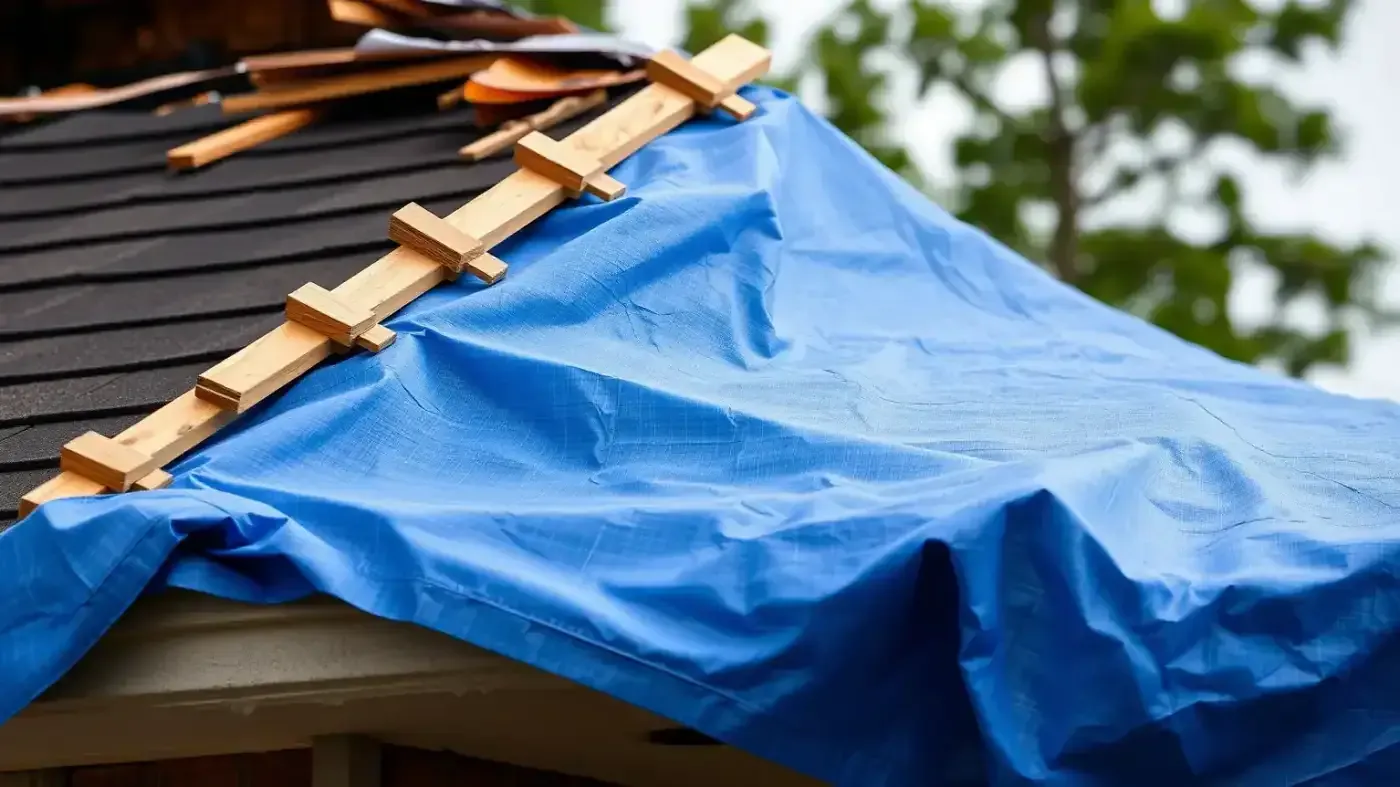
For active water entry, contact an independent provider to discuss temporary protection and permanent repairs, with availability and timing confirmed directly.
Gutter Repair and Installation
Ask how gutter slope, attachment points and downspout discharge will be checked to reduce overflow at roof edges.
Commercial Roofing
For an occupied Newark building, request a written plan for access, debris containment and work scheduling before authorising roof repairs.
What Roofing Work Around Newark Involves
Newark Roofing — Frequently Asked Questions
What should you check after a Newark storm?
From ground level, look for missing shingles, displaced gutters and loose flashing after Newark wind or heavy rain.
Photograph interior stains and ask a provider to inspect the source before proposing repairs; water can travel along decking before appearing indoors.
Which materials suit a Newark flat roof?
For a Newark flat roof, ask the provider to compare membrane systems based on roof slope, drainage and existing deck condition.
Asphalt shingles generally require a steeper slope; a written estimate should explain material compatibility and whether existing layers need removal.
Who handles permits for roofing work in Newark?
Before roofing work begins in Newark, ask the provider to identify applicable building code requirements and confirm permit responsibility in writing.
Verify project-specific requirements with the local building department, especially if the scope includes structural repairs or changes to the existing roof assembly.