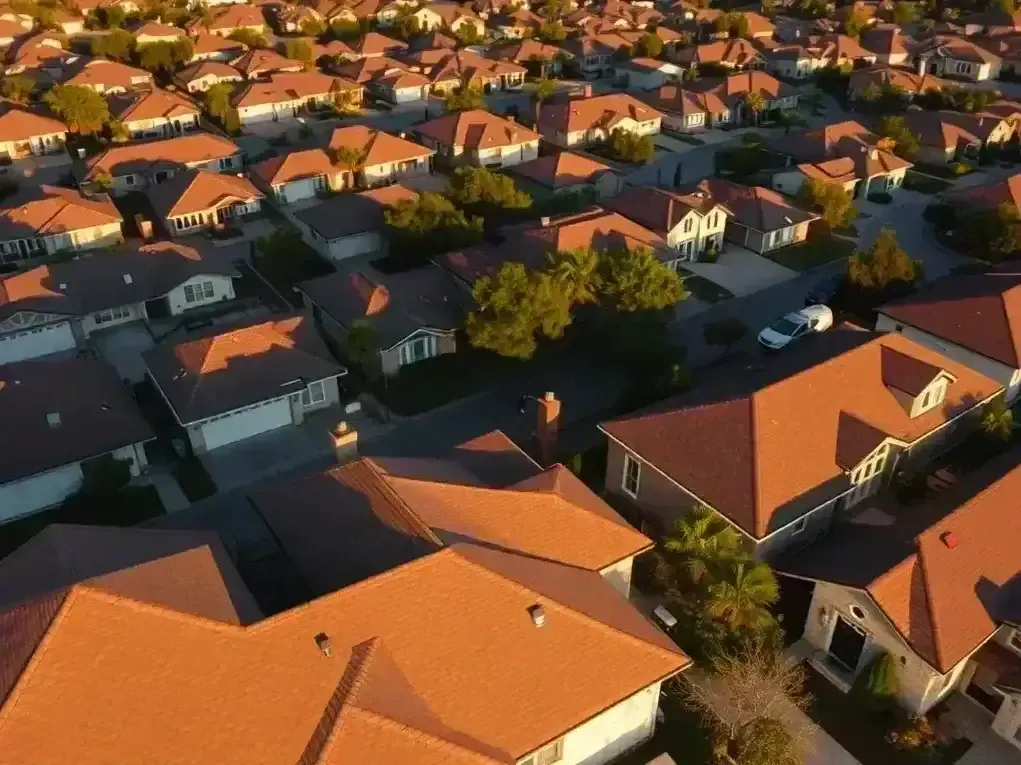
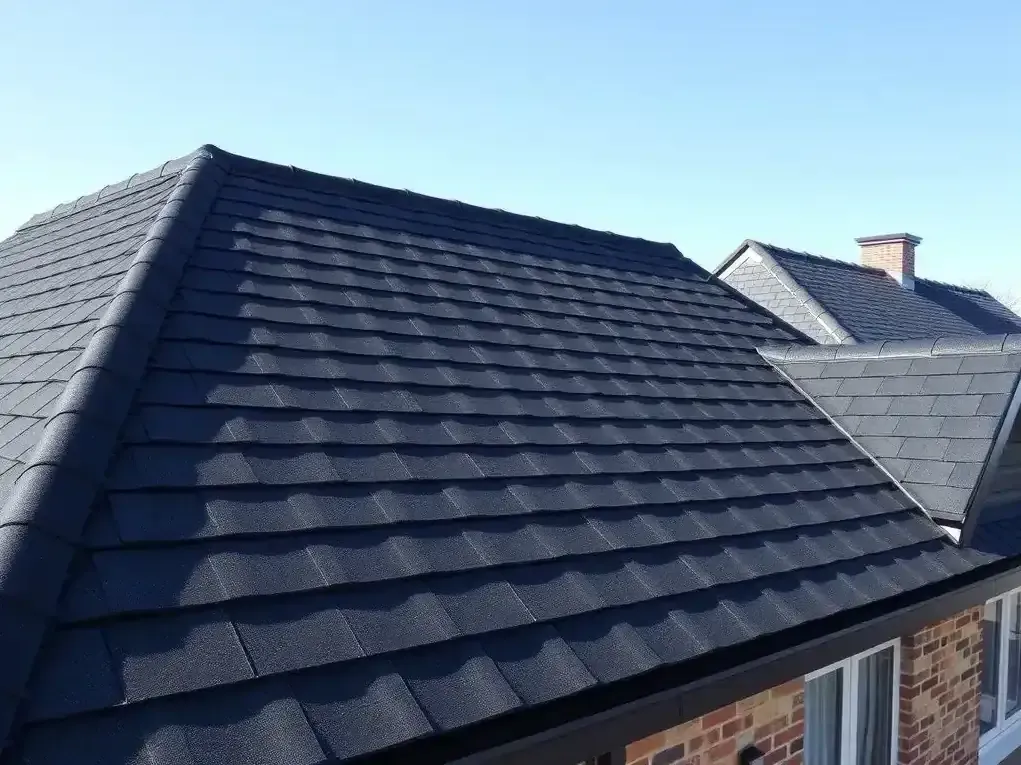
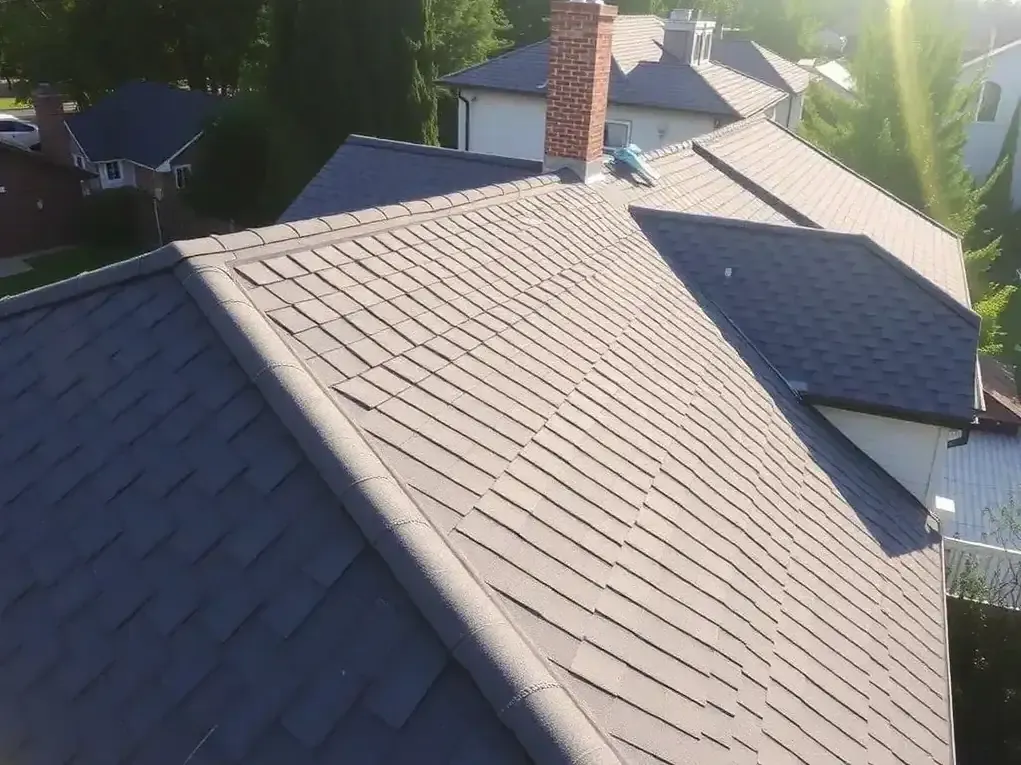
Roof Coating in Paterson, NJ
Paterson Roofing Pros: roof coating can protect a sound Paterson roof membrane from weathering, but wet insulation needs repair before application.
Snowy winters with freeze-thaw cycles make seam condition worth checking first. Call (973) 786-9795 to discuss your roofing enquiry.
Call (973) 786-9795
Roof coating starts with a roof condition survey, moisture checks and adhesion testing.
For Paterson building owners, a sound membrane with surface weathering may be a candidate; saturated insulation, deck rot and widespread separation require repairs or replacement before coating.
- Silicone coatings can suit roofs exposed to ponding water, subject to the selected product’s limitations; drainage defects still need correction.
- Acrylic elastomerics offer reflective finishes but require suitable drainage and a dry application window.
- Polyurethane systems may suit areas needing abrasion resistance, depending on substrate compatibility and the specified finish.
- Primer systems must match the existing membrane and coating; an adhesion test helps identify incompatible surfaces.
The provider should clean the surface, allow it to dry, repair seams and reinforce penetrations before application.
Hot humid summers with frequent thunderstorms complicate drying and cure time. The written scope should specify coverage rate and required dry film thickness.
Cost depends on roof area, access, seam repairs and wet-material removal. On early 20th-century brick and frame rowhomes, parapet detailing also affects labor.
Compare estimates using the same preparation requirements, coating thickness and repair allowances rather than the total alone.
What's Included
How Roof Coating Work Is Scoped
Roof coating requires inspection, surface preparation and documented application checks before completion.
Design Consultation
The provider evaluates placement, structural considerations and how the work integrates with the existing roof system.
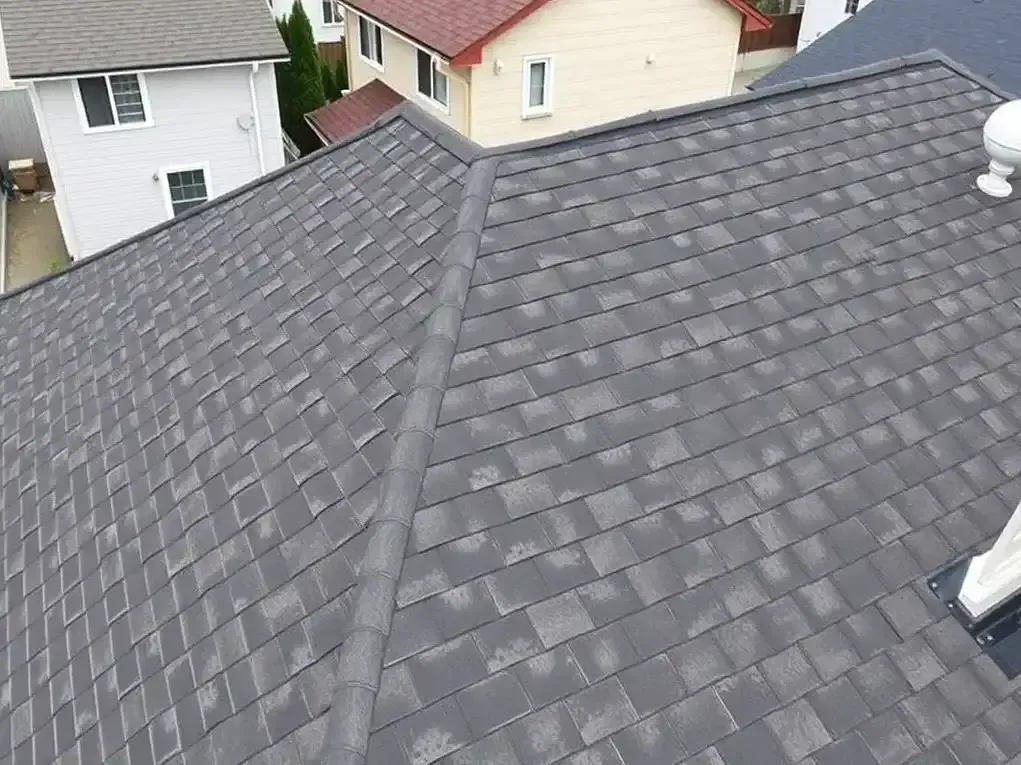
- Existing coating has worn thin enough to expose the underlying membrane in patches.
- Peeling edges show that the coating has lost adhesion; the provider should identify the cause before recoating.
- Blistering may indicate trapped moisture or adhesion failure and needs investigation before another coat.
Material Specification
Product selection should suit the building and the Paterson climate, with the manufacturer and product named in the written scope.
Your written scope itemises a roof condition survey should document the existing membrane, seam defects and drainage conditions, moisture assessment should identify areas requiring further testing or wet-material removal before coating, and the rest line by line.
Installation Details
Flashing, sealing and termination details should follow the manufacturer published instructions, because those details decide warranty validity.
- A roof condition survey should document the existing membrane, seam defects and drainage conditions.
- Moisture assessment should identify areas requiring further testing or wet-material removal before coating.
- Surface preparation should remove dirt, loose coating and contaminants using methods compatible with the substrate.
- Seam and penetration repairs should use compatible sealants and reinforcing fabric where the system requires them.
- Adhesion testing should establish whether the proposed coating needs a compatible primer.
- Coating application should follow the specified coverage rate, coat sequence and weather restrictions.
Warranty Registration
Ask who registers the manufacturer warranty, in whose name, and what the provider offers separately in writing.
Review the finished roof coating work with the provider before any invoice is issued.
Signs You Need Roof Coating
Roof coating warning signs that call for inspection
- Existing coating has worn thin enough to expose the underlying membrane in patches.
- Peeling edges show that the coating has lost adhesion; the provider should identify the cause before recoating.
- Blistering may indicate trapped moisture or adhesion failure and needs investigation before another coat.
- Open seams after snowy winters with freeze-thaw cycles need repair before a coating system can be considered.
- Persistent ponding leaves debris rings around drains and calls for a drainage assessment, not simply a thicker coating.
- Cracked sealant around penetrations can let water seep beneath the membrane during heavy rain and wind.
- Interior dampness after thunderstorms requires leak tracing; coating alone may leave wet insulation concealed.
- Soft areas or visible roof sag suggest underlying damage that may rule out coating until structural repairs are completed.
Roof Coating — Frequently Asked Questions
Does this website perform roofing work?
No. It is an independent referral website. A local roofing provider performs any inspection, repair or replacement.
How do I compare estimates?
Ask each provider for an itemized written scope covering materials, labor, cleanup and warranty terms, then compare like for like.
What should I confirm before authorizing work?
Confirm the provider’s license, insurance, permit responsibility and warranty terms in writing before work starts.
Call (973) 786-9795 about roof coating for your Paterson property, with your roof material and leak history ready to discuss. Before authorizing work, ask the provider for a written assessment, preparation scope and product-specific cure requirements.
Call for an inspection · independent local providers · written terms before work
Call (973) 786-9795