Chimney Flashing in Paterson, NJ
Paterson Roofing Pros connects you with independent providers for chimney flashing that directs water away from roof-to-chimney joints.
Paterson’s snowy winters with freeze-thaw cycles can widen gaps at these joints. Call (973) 786-9795 for roofing enquiries and discuss inspection needs with the provider you choose.
Call (973) 786-9795
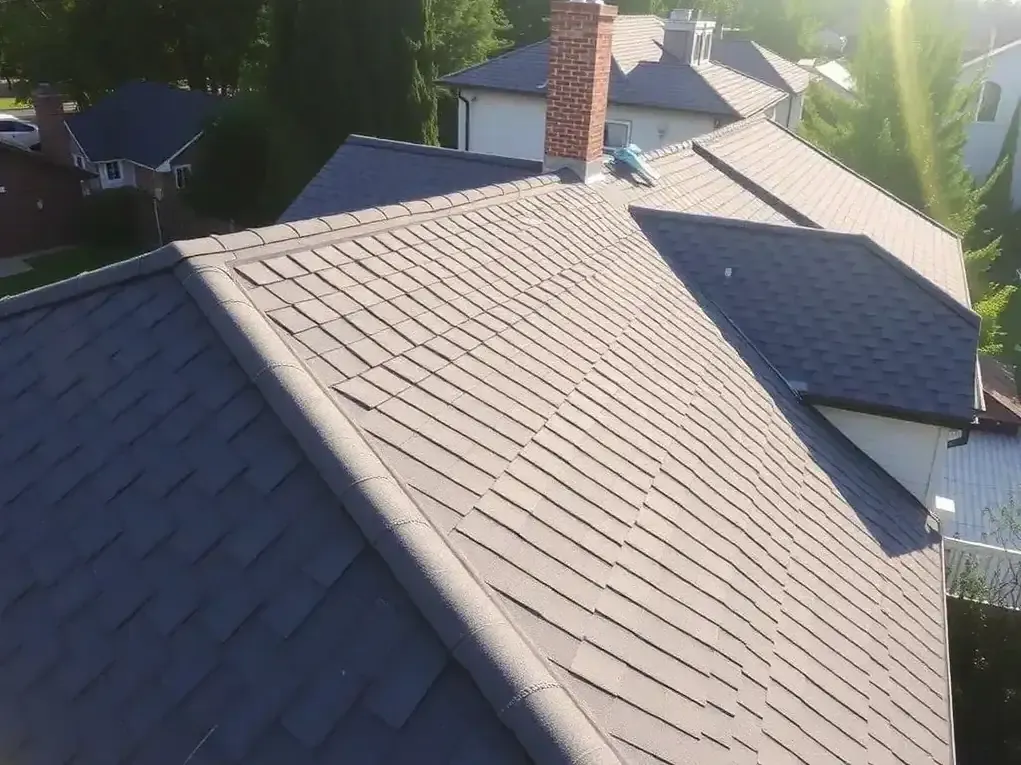
Chimney flashing uses overlapping metal to drain water where masonry meets roofing. Step flashing fits between shingle courses; counterflashing covers its upper edges at the chimney.
Copper or galvanized steel may suit the assembly, but metal compatibility and masonry condition determine the specification.
On early 20th-century brick and frame rowhomes and Victorian-era single-family houses, ask the provider to check mortar joints before proposing replacement.
Paterson’s snowy winters with freeze-thaw cycles can open joints. Water may seep behind metal and wick into sheathing, causing rot.
Cost depends on chimney dimensions, roof pitch, access, metal selection and concealed deck damage. Ask whether masonry repairs and adjacent shingle replacement are included.
The written estimate should explain weather-dependent scheduling and how uncovered damage changes the price before additional work begins.
- The provider should inspect the chimney perimeter and trace moisture before recommending a repair.
- Removal of failed metal and adjacent shingles should expose the deck for a condition check.
- Compatible self-adhered underlayment should integrate with the roof’s drainage layers where appropriate.
- New apron, step flashing and uphill drainage details should overlap to shed water onto the roofing.
- Counterflashing should cover the base flashing, with its masonry termination secured and sealed appropriately.
What's Included
How Chimney Flashing Work Is Scoped
Chimney flashing requires inspection, layered metal details and documented checks before completion.
Design Consultation
The provider evaluates placement, structural considerations and how the work integrates with the existing roof system.
- Ceiling stains beside the chimney grow after Paterson thunderstorms or wind-driven rain.
- Counterflashing has pulled away from the chimney, leaving an open joint at the masonry.
- Roof cement around the chimney has begun to crack, flake or peel.
Material Specification
Product selection should suit the building and the Paterson climate, with the manufacturer and product named in the written scope.
Your written scope itemises the written scope should identify inspection of the chimney perimeter, flashing joints and adjacent roofing, the removal allowance should specify which failed flashing sections and surrounding shingles need replacement, and the rest line by line.
Installation Details
Flashing, sealing and termination details should follow the manufacturer published instructions, because those details decide warranty validity.
- The written scope should identify inspection of the chimney perimeter, flashing joints and adjacent roofing.
- The removal allowance should specify which failed flashing sections and surrounding shingles need replacement.
- The deck assessment should document exposed rot and explain approval requirements for additional repairs.
- The material specification should name the flashing metal and address compatibility with existing roof components.
- The drainage detail should include apron flashing, individual step flashing and an appropriate uphill assembly.
- The counterflashing detail should explain how the upper metal edge terminates in the masonry.
Warranty Registration
Ask who registers the manufacturer warranty, in whose name, and what the provider offers separately in writing.
Review the finished chimney flashing work with the provider before any invoice is issued.
Signs You Need Chimney Flashing
Chimney flashing warning signs to check from a safe location
- Ceiling stains beside the chimney grow after Paterson thunderstorms or wind-driven rain.
- Counterflashing has pulled away from the chimney, leaving an open joint at the masonry.
- Roof cement around the chimney has begun to crack, flake or peel.
- Metal at the chimney base shows corrosion, split corners or visible holes.
- Mortar around the flashing termination has begun to erode, or adjacent bricks spall after freeze-thaw cycles.
- Accessible attic sheathing beside the chimney shows damp streaks, decay or a localized sag.
- Leaks recur during snowmelt even though nearby shingles appear intact.
- Flashing joints open as the roof deck or chimney settles; a provider should assess the movement before resealing.
Chimney Flashing — Frequently Asked Questions
Does this website perform roofing work?
No. It is an independent referral website. A local roofing provider performs any inspection, repair or replacement.
How do I compare estimates?
Ask each provider for an itemized written scope covering materials, labor, cleanup and warranty terms, then compare like for like.
What should I confirm before authorizing work?
Confirm the provider’s license, insurance, permit responsibility and warranty terms in writing before work starts.
Call (973) 786-9795 to discuss chimney flashing concerns at your Paterson property. Describe where stains appear and whether leaks follow rain or snowmelt, then ask the independent provider about an inspection, a written scope and an estimate before authorising work.
Call for an inspection · independent local providers · written terms before work
Call (973) 786-9795