Roofing in Passaic, NJ
Passaic sits in Essex County at roughly 150 feet of elevation, where the Passaic River shapes both the weather and the building stock.
Call (973) 786-9795Roofing in Passaic
For an older Passaic home, ask whether existing roof layers and chimney details affect the proposed repair or replacement.
If your property contains multiple occupied units, request a plan for tenant notices, reasonable working hours, debris containment and emergency leak priority.
Nor'easters pile snow and ice on roofs across Dundee Lake and Passaic Park, then humid summers bring afternoon thunderstorms that test every valley and flashing detail.
Salt spray from coastal systems reaches this far inland, corroding fasteners and metal edge trim faster than most homeowners expect.
Housing here spans distinct eras, and each roof type fails differently.
Victorian and early-1900s brick row houses along Gregory Avenue and Monroe Street often carry steep, complex rooflines with dormers and multiple valleys.
Mid-century colonial and ranch homes from the 1950s-1970s cluster near Van Houten Avenue and Clifton Avenue, many still on their second or third layer of asphalt shingle.
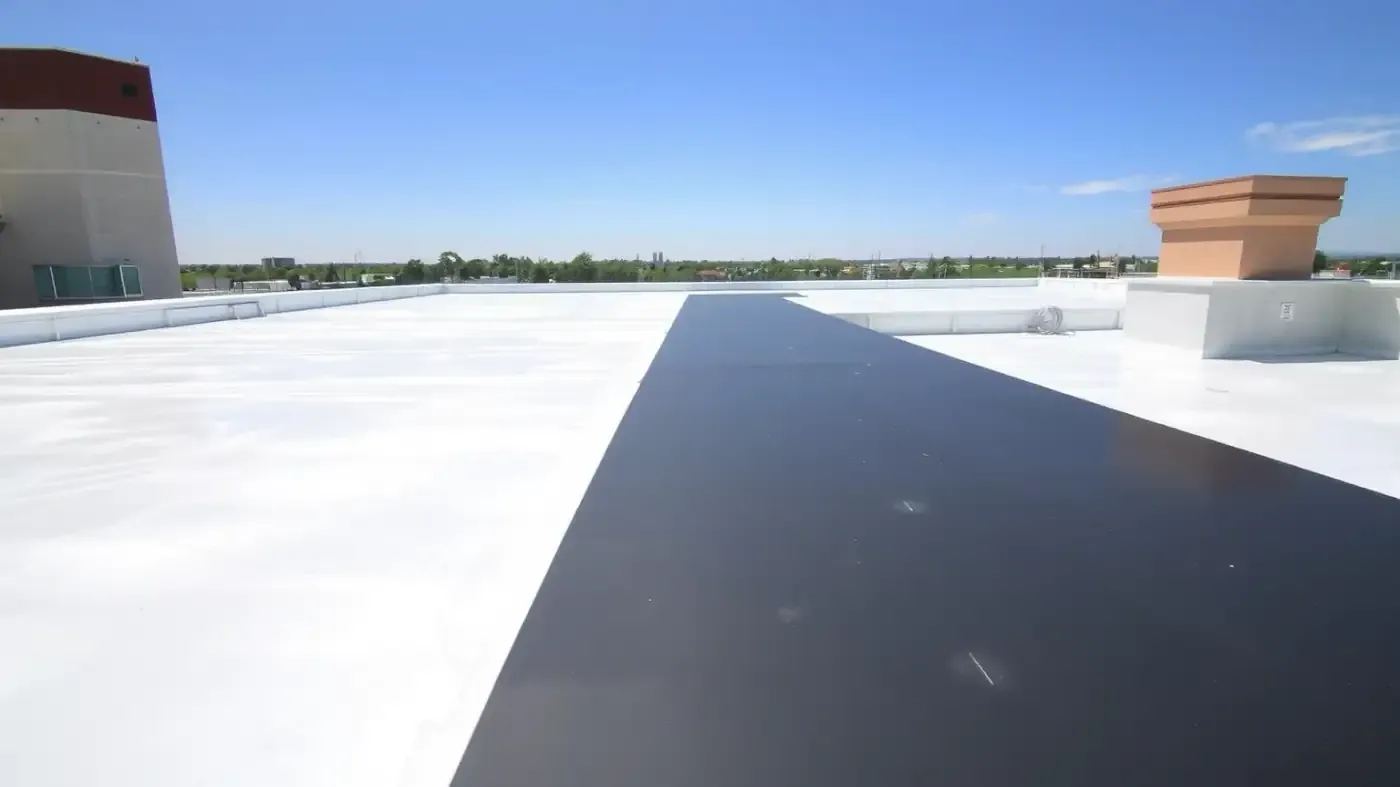
Modern mixed-use buildings near the river use flat membrane systems and parapet walls.
Flooding during Hurricane Irene in 2011 and Hurricane Sandy in 2012 left lasting marks on low-lying blocks.
Water-backed-up soffits and rotted fascia are common finds on older homes near the river. Typical failure modes in this climate include:
- Ice dam formation at eaves after heavy snow, forcing meltwater under shingles
- Wind-driven rain penetrating step flashing at chimneys and sidewalls
- Granule loss and curling on aging three-tab shingle courses
- Corroded fasteners and drip edge from salt-laden air
- Ponding water and seam failure on flat built-up roof and modified bitumen sections
An honest roof inspection in Passaic reads the building's age first, then the weather history.
A 1920s row house near the Alexander Hamilton House needs different attention than a 1965 ranch near Dundee Lake.
Expect any roofing contractor to walk the attic, check decking from below, and probe the eave and rake edges before quoting.
What Roofing Work in Passaic Includes
Scope starts with a roof inspection that documents existing conditions layer by layer.
A roofer checks the roof deck for soft spots, examines sheathing and rafters from the attic, and maps every penetration.
Chimney flashing, pipe boots, skylight curbs and dormer valleys each get individual attention.
Tear-off and preparation come next on most steep-slope jobs.
Crews strip old shingle courses down to the decking, replace rotted plywood or OSB, and inspect the substrate before anything new goes down.
On flat rooftop sections, that may mean removing saturated built-up roof layers or membrane and checking insulation beneath.
Material choice follows the pitch and structure:
- Architectural shingle for most gable and hip roofs on the city's colonials and ranches
- Standing-seam panel or metal panel where snow shedding and longevity matter
- EPDM or TPO membrane for low-slope and parapet sections on mixed-use buildings
- Slate or clay tile repairs matched to surviving historic roofs, where structural capacity allows
Installation sequencing matters as much as materials. Ice-and-water shield goes along eaves and valleys before synthetic underlayment covers the field.
Drip edge protects the fascia line, and ridge vent paired with soffit vent balances attic ventilation.
Every valley gets proper flashing, and step flashing plus counter-flashing seals chimney and wall junctions.
Cleanup closes the job. A dumpster sits on site for debris, magnetic sweeps catch stray nails, and gutters and downspouts get cleared of granule buildup.
Scaffold and ladder placement should protect landscaping and siding.
Homeowners should confirm the roof estimate itemizes tear-off, decking replacement allowances, and disposal — not just the visible shingle cost.
Quality & Materials Standards
Passaic roofing falls under New Jersey's adopted building code, which governs fastener schedules, underlayment requirements and ventilation ratios.
A permit is typically required for full replacement, and the work should be inspectable at deck and final stages.
Ask any roofing contractor how they handle code compliance before signing.
Material standards separate long-lived roofs from short ones.
Architectural shingle with a proper nail pattern and correct exposure outperforms three-tab shingle in this wind and ice climate.
On historic row houses, wood shake or cedar shake repairs demand matching profiles and breathable underlayment rather than tar paper alone.
Flat sections should use membrane systems rated for ponding, with sealant and mastic applied only where the manufacturer specifies.
Failure modes to watch for on any Passaic roof:
- Ice dam damage traced to missing ice-and-water shield at the eave
- Leaks at valley and step flashing where sealant was substituted for proper metal
- Premature shingle failure from inadequate attic ventilation and trapped moisture
- Fastener corrosion on coastal-exposed metal trim and gutter hangers
Insurance claims deserve honest handling.
Storm damage from nor'easters or summer hail may be covered, but a claim needs documentation: dated photos, a written roof inspection report, and a clear distinction between storm damage and wear.
Avoid any contractor who offers to "handle the deductible" or inflate a roof estimate — that crosses into insurance fraud.
Verify licensing and insurance, get the scope in writing, and confirm who pulls the permit.
This site does not perform roofing work; it exists to help homeowners ask better questions.
Seasonal and Storm Exposure in Passaic
Passaic sits at roughly 150 feet elevation in Essex County, close enough to coastal systems that salt spray rides in on nor'easters.
Those winter storms arrive as heavy snow that turns to ice against warm rooflines, then refreezes overnight.
Ice dams form when attic heat escapes through thin insulation and warms the roof deck.
Meltwater backs under shingles and finds old roofing felt that has already dried and cracked.
A roof inspection in late fall catches this before the first freeze.
Humid summers bring afternoon thunderstorms that drive rain sideways into valleys and step flashing.
Three-tab shingle fields on 1950s ranches show granule loss and lifted tabs after a decade of this cycle.
Architectural shingle roofs hold longer but still lose sealant along rakes.
Salt spray corrodes fasteners, drip edge, and metal panel edges on homes near the Passaic River. Galvanized nails and aluminum gutter hangers pit first.
A roofer should check these points, not just the field of shingles.
Timing matters here more than in drier towns. Schedule a roof inspection after the spring melt and again in early autumn.
- After a nor'easter: look for ice dam ridges at eaves, cracked ridge cap, displaced snow guards.
- After summer storms: check valley flashing, pipe boots, and skylight seals for lifted edges.
- Each fall: clear gutters and downspouts before freeze-up, verify soffit vent airflow.
Dundee Lake flooding in 2011 and 2012 soaked low rooflines and wall junctions.
Water that wicked into sheathing and OSB left hidden rot that only a roof estimate with decking access will reveal.
Common Roofing Issues in Passaic
In Passaic, snowmelt and wind-driven rain can expose gaps around chimney flashing, while blocked gutters can let water back up beneath shingles. On aging roofs, granule loss and cracked shingles warrant inspection because persistent moisture can lead to deck rot.Roofing Services in Passaic
Roof Repair
For a leak in your Passaic home, ask the provider to identify the entry point and explain whether shingles, flashing or both need repair.
Roof Replacement
Compare written scopes for tear-off, deck repairs, underlayment and disposal before approving replacement of your Passaic roof.
Roof Inspection
Request photographs and findings that distinguish isolated damage from widespread wear, including the condition of flashing and accessible roof decking.
Emergency Roof Repair
For an active leak, ask an independent provider about temporary protection, safe access and the separate scope for permanent repairs.
Gutter Installation
Ask the contractor to specify gutter sizing, downspout placement and discharge routing so the proposal addresses drainage rather than appearance alone.
Commercial Roofing
For an occupied Passaic building, request a scope addressing roof drainage, equipment penetrations, debris containment and coordination with tenants.
What Roofing Work Around Passaic Involves
Passaic Roofing — Frequently Asked Questions
What should you check after winter weather in Passaic?
From the ground, look for displaced shingles, detached gutters and new staining beneath roof edges after snow or ice.
Ask a provider to inspect flashing and drainage before proposing repairs; an interior stain alone does not identify where water entered.
How should you compare roofing materials for a Passaic home?
Ask your provider to compare asphalt shingles, metal roofing or slate against your roof pitch, deck condition and structural capacity.
Request an explanation of underlayment and flashing details, plus written material specifications so you can compare estimates on the same basis.
Who checks roofing permits and codes in Passaic?
Before authorising work in Passaic, ask the contractor you choose to confirm applicable building codes and permit requirements with the local building department.
Your written agreement should identify who obtains any required permit and coordinates inspections, rather than leaving those responsibilities unclear.