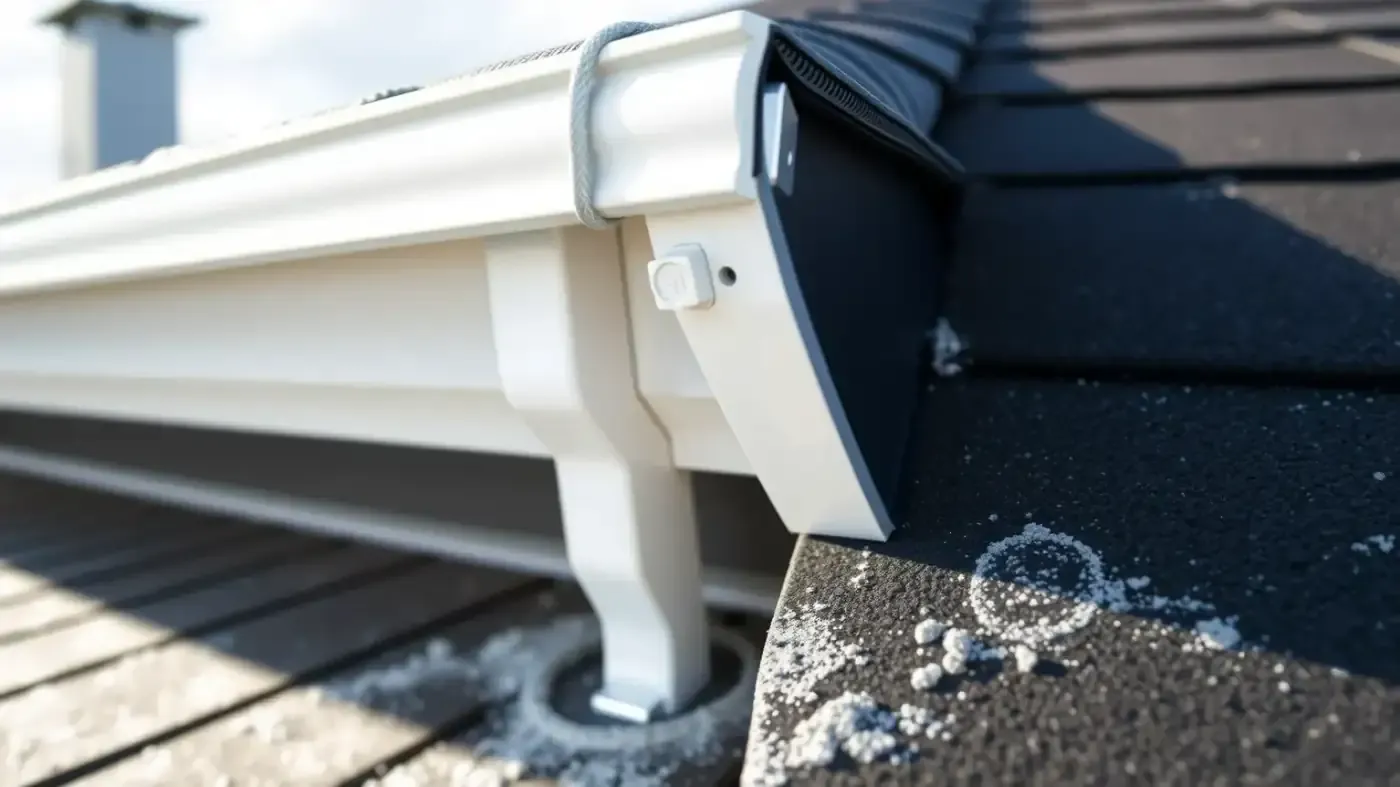
Roofing in Somerset, NJ
Somerset roofing has to handle two very different kinds of weather. Summer thunderstorms roll through with hail that pits asphalt shingle and cracks older wood shake.
Call (973) 786-9795Roofing in Somerset
Your Somerset neighbourhood’s roofing needs depend on the individual building: a detached home may allow different access arrangements than a townhouse with shared boundaries.
For an occupied multi-family property, ask the provider to address tenant disruption, debris containment, reasonable working hours and emergency leak priority in the written scope.
Then nor'easters arrive with sustained wind that finds every loose fastener along the rake and ridge.
The housing stock tells you where the problems show up first.
Victorian and Colonial homes near Downtown Somerset and the Rocky Hill section carry steep pitches, dormers, and slate or cedar shake nearing the end of its service life.
Mid-century ranches and Cape Cods across North Somerset often still sit under low-slope porch roofs and tired three-tab shingle. Freeze-thaw cycles drive a third assault.
Ice dams form at the eave when attic heat melts snow that refreezes above the gutter line.
Water then backs under the underlayment and stains ceilings far from the actual leak. Flooding along the Raritan River adds its own layer.
Homes near the Delaware & Raritan Canal State Park Trail deal with saturated decks and rusted fasteners after high-water events.
Any roofer working 08873 or 08876 should ask about that history before quoting. Common failure modes here include:
- Wind-lifted ridge cap and exposed nail heads after a nor'easter
- Hail bruising on architectural shingle that hides granule loss
- Ice dam back-up at gutters and valleys
- Cracked pipe flashing and dried chimney flashing mastic
- Rot in fascia and soffit where water has run behind the gutter
Age matters as much as weather. A 1900s Victorian may have original board sheathing that needs a full roof deck review.
A 1990s townhouse likely has plywood or OSB sheathing in good shape but original builder-grade shingles now past warranty.
Somerset sits at roughly 60–90 feet elevation, which keeps wind exposure moderate compared with ridge-top towns but does nothing to reduce storm frequency.
Roofing contractors here see hail and wind claims in the same season.
What Roofing Work in Somerset Includes
A roof inspection is where every job should start.
The roofer walks the pitch, checks the attic for daylight and moisture, and probes the sheathing around valleys and the chimney.
Material choice follows the roof, not the other way around. Steep-slope homes in Somerset usually take asphalt shingle, either architectural shingle or a budget three-tab shingle.
Historic homes may warrant slate, clay tile, or cedar shake to match the original roofline.
Low-slope sections call for different systems:
- Modified bitumen or built-up roof on porch and addition roofs
- TPO or EPDM membrane where ponding is a concern
- Standing-seam panel for long runs with minimal penetration
- PVC membrane on flatter commercial-style sections
Tear-off begins with a dumpster staged clear of the driveway and landscaping.
Crews strip shingle to the decking, then inspect plywood or OSB sheathing for soft spots and re-nail any loose deck boards to the rafter or truss below.
The rebuild sequence is where quality lives:
- Ice-and-water shield along the eave and in valleys
- Synthetic underlayment across the field, replacing old tar paper
- Drip edge at the rake and eave, then step flashing at sidewalls
- Chimney flashing and counter-flashing set in new mastic
- Ridge vent cut in, then ridge cap nailed over it
Pipe boots, skylight flashing, and vent boots get replaced rather than reused.
Sealant alone is not a repair; caulk fails within a few seasons on a south-facing slope.
Cleanup means magnetic sweeps for nails, debris hauled out the same day, and a gutter and downspout check before sign-off.
Scaffold or ladder placement should protect siding and plantings.
Paterson Roofing Pros does not perform this work; the site explains what a homeowner should expect and verify.
Quality & Materials Standards
Good roofing starts with the substrate. A roofing contractor should confirm the roof deck is sound before a single shingle goes down.
Soft sheathing, popped nails, or a sagging ridge beam means structural work before weatherproofing.
Underlayment choice separates a five-year roof from a thirty-year one. Synthetic underlayment outlasts roofing felt and resists tearing during install.
A proper ice-and-water shield at the eave is not optional in Somerset given the ice dam history.
Fastener discipline matters as much as material. Nail gun pressure set too high drives fasteners through the shingle; too low leaves them proud.
Either way, wind gets a grip. Ask how nails are placed relative to the nail line.
Ventilation and insulation work together. A balanced soffit vent and ridge vent keep the attic cool and reduce ice dam formation.
Adding attic fan capacity without intake ventilation just pressurizes the space.
Material standards to confirm:
- Architectural shingle rated for the local wind zone
- Metal panel with correct gauge and fastener washers
- Slate or clay tile hung with proper batten and counterbatten
- Membrane seams welded, not just adhesive-set
Building code sets the floor, not the ceiling. Local code governs ice-and-water shield coverage, drip edge, and flashing details.
A written roof estimate should name the manufacturer, product line, and warranty terms.
For storm damage, document everything before repairs. Photograph hail bruising, lifted shingle, and interior stains.
Insurance adjusters respond to evidence, and a roofer who understands the claims process helps without overstating damage.
Honest claims vocabulary matters. Granule loss is not always storm damage. A worn roof is maintenance, not a claim.
Ask any roofing contractor to separate storm damage from normal wear in writing.
Seasonal and Storm Exposure in Somerset
Spring in Somerset brings fast-moving thunderstorms that drop hail on roof decks from Rocky Hill to the Raritan River.
Impact bruises asphalt shingle granules, and the loss rarely shows from the ground.
A roofing contractor inspecting after a hail event should check ridge caps and the south-facing pitch where damage concentrates.
Summer heat then bakes those bruised shingles through July and August. Loose granules wash into gutters and downspouts, and sealant at flashing joints dries and cracks.
Homeowners often spot the first leak at a chimney or skylight weeks after the storm that caused it.
Nor'easters are the second stress test. Sustained wind peels back shingle tabs along the rake and verge, and older three-tab shingle products lift first.
Wind-driven rain then works under drip edge and behind fascia boards that were never sealed well.
Freeze-thaw cycles through winter create the ice dam problem.
Snowmelt refreezes at the eave, backs up under shingles, and finds its way past roofing felt or synthetic underlayment.
Water stains on the ceiling near an exterior wall are the classic warning sign.
Timing an inspection follows the calendar, not the leak:
- Late April through May, after the first hail-and-wind thunderstorm cycle
- September, ahead of nor'easter season, to reseal flashing and check ridge vent fasteners
- January through February, to catch ice dam formation at gutters and eaves
- Any time shingle granules appear in downspout runoff
A roof inspection in Somerset makes the most sense at two points: right after a storm and before winter sets in.
Catching a lifted ridge cap or a failed pipe boot early costs far less than replacing saturated sheathing.
Common Roofing Issues in Somerset
For your Somerset property, ask a provider to distinguish storm-related shingle damage from age-related granule loss and cracked flashing. Wind-driven rain can seep through exposed joints, while freeze-thaw conditions can contribute to ice dams that back water beneath shingles.Roofing Services in Somerset
Roof Repair
For a Somerset leak, ask the provider to identify the entry point and explain whether shingles, flashing or a roof penetration needs repair.
Roof Replacement
Compare written scopes specifying tear-off, deck-condition allowances, underlayment and disposal rather than comparing totals alone.
Roof Inspection
Request photographs and findings that distinguish isolated defects from widespread wear before deciding between repair and replacement.
Emergency Roof Repair
Describe active water entry and affected rooms, then confirm temporary protection options, availability and charges directly with the provider.
Gutter Repair
Ask the provider to check loose attachments, leaking joints and downspout blockages before recommending repairs or replacement.
Commercial Roofing
For an occupied Somerset building, request a scope addressing drainage, roof access, debris containment and coordination with occupants.
What Roofing Work Around Somerset Involves
Somerset Roofing — Frequently Asked Questions
What should you check after storm damage in Somerset?
After severe weather in Somerset, look from the ground for missing shingles, displaced gutters and debris near downspouts.
Photograph interior stains and ask a provider to inspect flashing and roof decking; avoid climbing onto a wet or damaged roof.
How should you compare roofing materials for a Somerset home?
For your Somerset home, compare asphalt shingles and metal roofing against roof pitch, deck condition and installation requirements.
Ask each provider to specify underlayment and flashing details, then compare written warranty terms rather than choosing on material appearance alone.
Who should confirm roofing permits and codes in Somerset?
Before roofing work begins in Somerset, ask the provider to identify applicable building-code requirements and confirm permit responsibility with the relevant municipal office.
Your written scope should state who obtains approvals and arranges any required inspections before work is authorised.