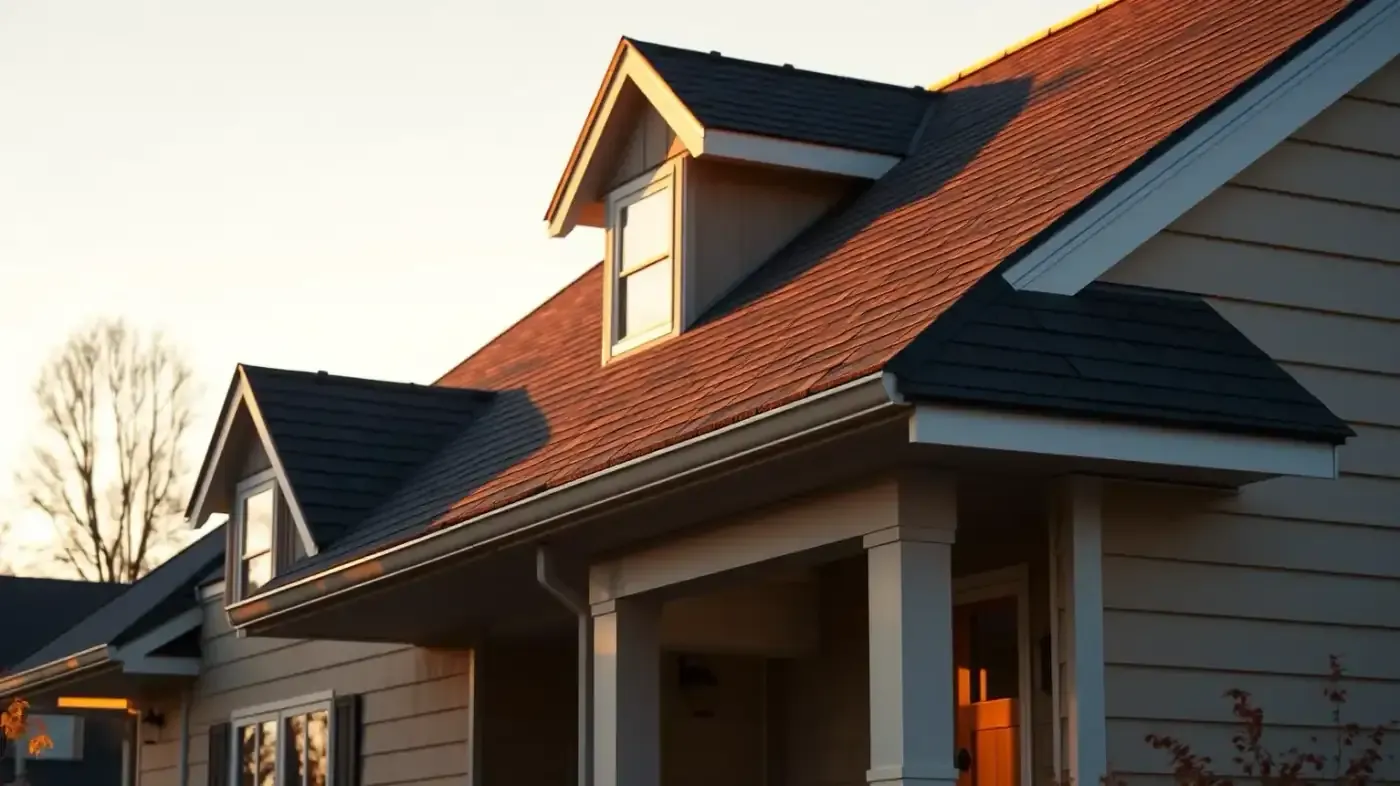
Roofing in Union, NJ
Union's roofing stock splits cleanly by era. Early 1900s single-family homes still carry original slate on steep pitches.
Call (973) 786-9795Roofing in Union
For a property in Downtown Union or Vauxhall, base your roofing comparison on the building’s existing materials and access conditions rather than its neighborhood alone.
If you own a multi-family property in Connecticut Farms, ask how the provider will protect shared entrances and coordinate work with occupants.
Post-war ranches and cape cods from the 1950s–60s sit under asphalt shingle fields. Multi-family colonials near the Elizabeth border area work harder roofs with more penetrations.
That mix changes what a roofer checks first. Slate roofs demand fastener and flashing scrutiny at the eave and rake.
Mid-century asphalt roofs fail at valleys, pipe boots and dormer step flashing. Victorian-era properties in Downtown Union often hide layered tear-offs and marginal decking.
Weather here does the rest. Nor'easters pile snow loads on low-slope sections and drive ice dams at the eave.
Summer thunderstorms strip ridge cap and lift three-tab shingle tabs on exposed gables. Spring freeze-thaw cycles open seams in tar and age sealant at counter-flashing.
Hillside border area and Maplewood border area homes face extra wind exposure on open rooflines.
Connecticut Farms properties near the Presbyterian Church show classic mid-century failure patterns.
- Winter: ice dam formation at gutters, snow load stress on low-slope and porch roofs
- Summer: wind uplift at ridges, hips and rake edges during thunderstorms
- Spring: freeze-thaw cycling cracking mastic, caulk and modified bitumen seams
- Year-round: humidity driving attic condensation when ventilation is undersized
Typical failure modes worth knowing before a roof inspection:
- Pipe boot and vent boot rubber cracking after years of UV exposure
- Step flashing pulling loose at chimney and dormer walls
- Clogged downspouts backing water under the eave
- Felt and tar paper deterioration beneath aging shingle courses
- Soffit and fascia rot from gutter overflow
Union sits at roughly 50–150 feet elevation, about 15 miles from the Atlantic. That coastal proximity keeps nor'easters and tropical storms on the seasonal calendar.
Roofing contractor crews working here plan around both.
What Roofing Work in Union Includes
A roof estimate in Union starts with a roof inspection, not a number.
The roofer walks the rooftop or inspects from ladder and scaffold access, checking decking, flashing and ventilation before quoting.
Scope typically covers these steps:
- Inspection of shingles, flashing, valleys, ridge and eave conditions
- Attic check for ventilation, insulation and moisture staining
- Measurement in roofing squares, with pitch noted per slope
- Written estimate separating tear-off, materials and disposal
Material choice follows the house. Architectural shingle suits most post-war ranches. Slate repair calls for matching salvaged stock on early 1900s homes.
Low-slope porches and additions may need modified bitumen, EPDM or TPO membrane rather than shingle.
Tear-off is the physical core. Crews strip shingle courses with a roofing shovel and pry bar, then inspect sheathing.
Soft plywood or OSB gets replaced before any underlayment goes down.
Reassembly follows a set order:
- Ice-and-water shield at eaves and valleys
- Synthetic underlayment across the field
- Drip edge at eave and rake, then step flashing and counter-flashing
- Field shingle or panel installation with correct nail placement
- Ridge vent and ridge cap to close the top
Details carry the waterproofing. Chimney flashing, pipe flashing and skylight curbs get sealant and mastic only as a secondary layer. Primary protection is metal.
Cleanup matters as much as install. A dumpster holds debris, and magnetic sweeps catch fasteners around driveways and gardens.
Gutters and downspouts get checked for granules before the crew leaves.
Quality & Materials Standards
New Jersey building code governs roof deck attachment, fastener spacing and ice barrier placement. Ask any roofing contractor how they meet it on your specific roof.
Materials standards worth verifying on a Union roof:
- Fasteners: correct nail length and penetration into sheathing, not staples
- Underlayment: synthetic underlayment over roofing felt on most re-roofs
- Ice barrier: ice-and-water shield at eaves, valleys and around penetrations
- Ventilation: balanced soffit vent and ridge vent intake-to-exhaust
Shingle grade matters. Three-tab shingle is thinner and lighter; architectural shingle carries more weight and wind rating. Neither fixes a ventilation problem underneath.
Historic homes in Downtown Union may hold slate, wood shake or cedar shake.
Those roofs need a roofer who understands batten and counterbatten installation and copper flashing.
Clay tile and concrete tile appear on some Victorian-era properties and need structural review of the rafter and truss load path.
Low-slope sections call for membrane systems. Standing-seam panel and corrugated panel suit some additions.
Built-up roof with tar and gravel still shows up on older flat roofs, often patched with roof cement.
Insurance claims deserve plain talk. Storm damage from nor'easters or thunderstorm wind is often covered, but documentation drives the outcome.
- Photograph damage before temporary repairs
- Keep receipts for tar paper, sealant and any emergency waterproofing
- Request a written scope from the adjuster and compare it to the roofer's estimate
- Confirm whether the claim covers full replacement or repair only
Watch for warning signs before signing anything:
- A quote given without a rooftop inspection
- No written scope or material specification
- Pressure to sign the same day
- No discussion of building code compliance or ventilation
Quality on a Union roof comes down to substrate preparation, correct flashing detail and honest scope. Verify insurance and registration before work begins.
Seasonal and Storm Exposure in Union
Union sits 15 miles from the Atlantic, close enough for nor'easters to arrive loaded. Winter storms drop heavy snow loads, and freeze-thaw cycles follow each melt.
Water works into hairline cracks, freezes, and pries them wider.
Slate survives this better than most materials. Its weakness is the fastener—nail sickness in century-old roofs loosens slate during repeated freeze cycles.
Asphalt shingle roofs on post-war homes fare worse. Cold makes three-tab shingle brittle, and granule loss accelerates.
Spring brings the thaw. Ice-and-water shield at the eave does its job, but failed flashing around chimneys and dormers lets meltwater track down the roof deck.
Look for water stains at interior ceilings after the first warm week.
Summer humidity and thunderstorm wind are the second test. Wind lifts ridge cap and loosens shingle tabs on the rake.
Humidity pushes attic ventilation to its limit, and poor airflow cooks the underlayment from below.
Timing your roof inspection around these patterns matters:
- Late fall: check eave, valley, and flashing before the first snow load
- Early spring: inspect for ice dam damage and freeze-split shingles
- After any thunderstorm: look for lifted tabs, missing ridge cap, and gutter dents
- Mid-summer: verify soffit vent airflow and attic insulation levels
A roofer who knows this schedule will ask what you saw and when.
Common Roofing Issues in Union
In Union, winter snow and freeze-thaw cycles can let water seep beneath damaged shingles or through loose flashing. Summer thunderstorm winds can lift shingle edges; ask your provider to distinguish isolated damage from widespread granule loss, deteriorated decking and end-of-life wear.Roofing Services in Union
Roof Repair
For your Union property, ask the provider to identify the leak source and explain whether shingles, flashing or a roof penetration needs repair.
Roof Replacement
Compare written scopes that specify tear-off or overlay, deck assessment, underlayment and disposal rather than comparing totals alone.
Roof Inspection
Request photographs and findings that distinguish visible surface wear from moisture damage requiring further investigation.
Emergency Roof Repair
For an active leak, ask the provider about temporary protection, safe access and a separate scope for permanent repairs.
Gutter Repair
Ask whether overflow comes from a blockage, incorrect slope or damaged connections before approving gutter replacement.
Commercial Roofing
For an occupied Union building, request a plan covering drainage, rooftop equipment access, debris containment and communication with occupants.
What Roofing Work Around Union Involves
Union Roofing — Frequently Asked Questions
What should you check after a winter roof leak in Union?
In Union, snowmelt can back up behind an ice dam and enter beneath shingles.
Ask the provider to inspect eave protection, flashing and attic ventilation rather than patching the ceiling stain alone; avoid climbing onto a snowy roof.
Should you replace slate with asphalt shingles on a Union home?
For your Union home, ask whether the slate damage is isolated before comparing replacement materials.
A written assessment should explain flashing condition, fastening failures and deck condition; changing materials also calls for checking roof pitch and structural requirements.
Who should confirm roofing permits and code requirements in Union?
Before work begins in Union, ask the contractor you choose to confirm applicable building code requirements and whether the proposed scope needs a permit.
Put permit responsibility, inspections and any required decking or ventilation changes in the written agreement.